


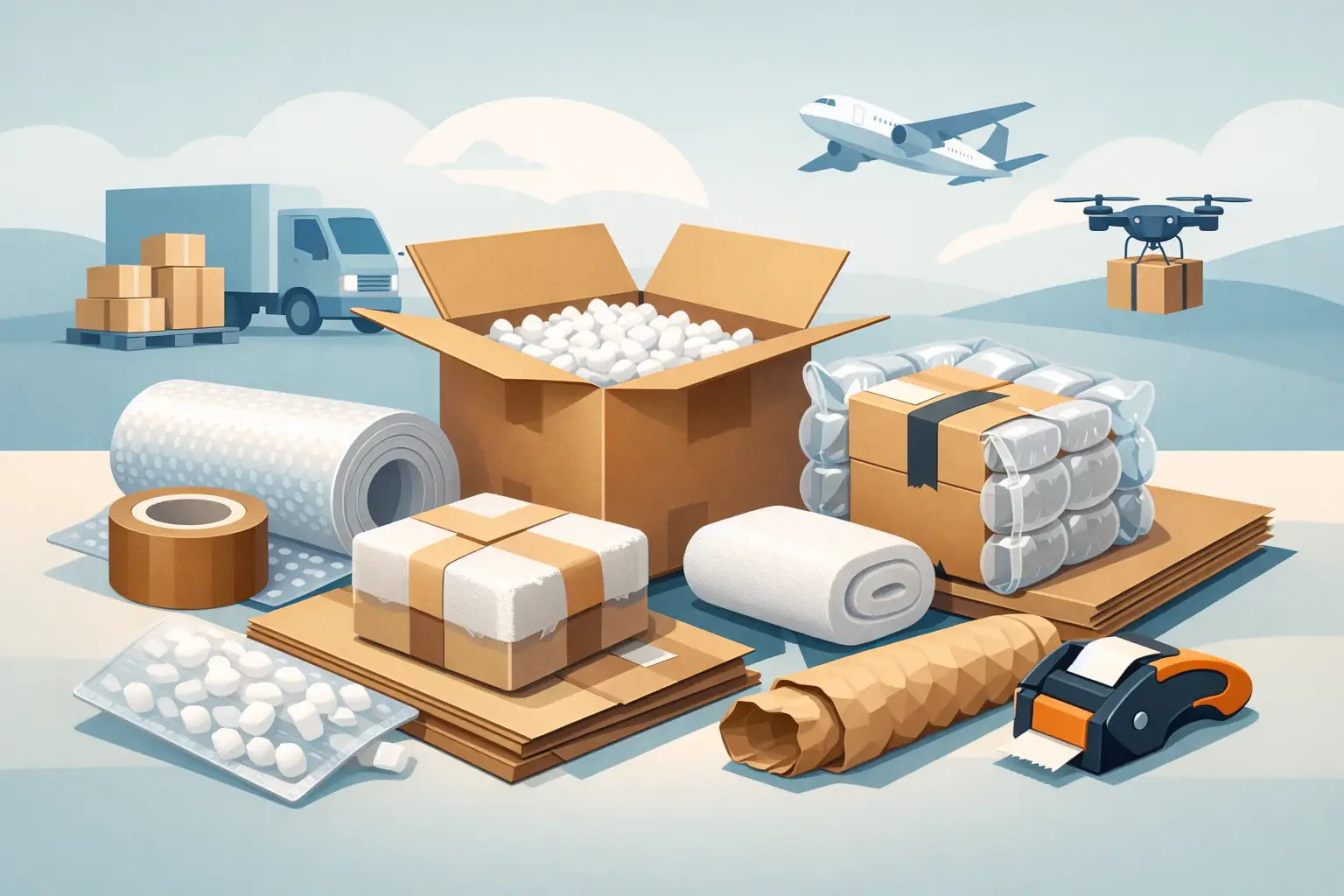
A paperback with bent corners, a record sleeve creased in transit, or a mug arriving in pieces can turn a thoughtful shipment into a headache. The best packaging materials for shipping are not always the most expensive ones. They are the ones that match the item’s weight, shape, fragility, and value – while keeping it from shifting inside the box.
For families sending gifts, sellers mailing collectibles, and readers passing along a favorite title, good packing starts with a simple goal: make the package feel like one solid unit. Here is how to choose materials that protect what matters without using more packaging than the job requires.
Start With the Item, Not the Box
Before grabbing a box and tape, take a close look at what you are shipping. A hardcover book needs protection from corner damage and moisture, while a framed photo needs cushioning that can absorb a hard bump. Vinyl records, DVDs, video games, and other physical media can look sturdy but are especially vulnerable to crushed corners and pressure on the case.
Weight matters just as much as fragility. A heavy item can split a lightweight carton or push through the bottom if the box is too thin. A small but delicate item may need a larger box than expected because it needs room for cushioning on every side.
If an item is irregularly shaped, such as a lamp, figurine, or collectible, protect its most vulnerable parts first. Wrap handles, corners, protruding pieces, and glass surfaces before you worry about filling the rest of the box.
The Best Packaging Materials for Shipping
There is no single material that works for every shipment. A reliable packing setup usually combines an outer container, a protective wrap, void fill, and strong sealing tape. Each layer does a different job.
Corrugated boxes for structure
A clean, sturdy corrugated box is the foundation of a safe shipment. Choose one close to the item’s size, but leave enough space for at least a couple inches of cushioning around fragile pieces. Boxes that are too large invite items to slide around. Boxes that are too tight can transfer every bump directly to the contents.
For heavier books, small appliances, or dense media lots, use a new or nearly new box with firm walls. Reused boxes are a smart, eco-friendly choice when they have not been crushed, softened by moisture, or weakened at the seams. Remove old labels and cover old barcodes so there is no confusion along the way.
Bubble wrap for fragile and high-value items
Bubble wrap is one of the most useful materials for glass, ceramics, framed items, collectibles, and electronics. Large bubbles provide better shock absorption for heavier pieces, while small bubbles work well for delicate surfaces and tighter wrapping.
Wrap the item fully, then secure the wrap with tape so it cannot unravel. Do not tape directly onto a book cover, record sleeve, painted surface, or collectible packaging. If appearance matters, place tissue paper, packing paper, or a clean plastic sleeve between the item and the bubble wrap.
Bubble wrap protects against impact, but it does not replace a strong box. A wrapped item still needs space around it and enough cushioning to keep it centered.
Packing paper for books, media, and everyday items
Plain packing paper is affordable, versatile, and easy to recycle. It works especially well for wrapping books, filling open space, and creating a protective layer between items packed in the same box. Crumple it loosely for void fill or use flat sheets around corners and covers.
For books, wrap each volume or small stack so covers do not rub together. A flat piece of cardboard placed against the front and back of a valuable book can help prevent bends. Avoid newspaper when possible, since ink can transfer to light-colored covers, gift items, or collectible surfaces.
Packing paper is also a good choice for dishes and mugs when used generously. Wrap each piece separately, add extra paper around handles and rims, and place heavier pieces on the bottom of the box.
Foam and molded inserts for items that cannot move
Foam sheets, foam corners, and molded inserts are useful when a product has a precise shape or needs firm support. Electronics, cameras, display pieces, and breakable collectibles often benefit from foam because it holds them in place better than loose fill alone.
The trade-off is cost and disposal. Foam can be excellent protection, but it is not always the most sustainable option. Save clean foam from incoming packages for future shipments, especially if you regularly mail similar items.
Air pillows and loose fill for empty space
Air pillows and packing peanuts are best used as void fill, not as the only protection around something fragile. They keep an already wrapped item from shifting, particularly in larger boxes. Fill the bottom, sides, and top so the package is snug without being packed so tightly that pressure can damage the contents.
For small, loose pieces such as game components, cables, or accessories, place them in a sealed bag before adding them to the box. This keeps everything together and prevents items from disappearing into the fill.
Plastic bags for moisture protection
A plastic bag is not cushioning, but it can be a smart extra layer for books, documents, textiles, and media that could be damaged by rain or a damp porch. Place the item in a clean bag before wrapping it in paper or bubble wrap.
Do not rely on a thin bag as the outer shipping container. It can tear easily and offers little protection from punctures or crushing. For most shipments, moisture protection belongs inside a cardboard box.
Match Materials to What You Are Mailing
Books travel best in a snug corrugated box with paper around the edges. For one special hardcover, use a plastic bag for moisture protection, wrap it in paper or bubble wrap, and add cardboard panels to protect the covers. If the box has empty room after that, fill it. A book should not be able to slide from side to side.
Vinyl records need special attention. Use a purpose-made record mailer when possible, with cardboard stiffeners and padding that protects all four corners. Do not pack a record loosely in an oversized carton. For multiple records, keep the stack straight and cushioned so weight does not press into the jackets.
For mugs, glassware, and ceramics, wrap each item separately with bubble wrap and reinforce the most fragile areas. Put a cushioning layer on the bottom of the box, keep pieces from touching one another, and add more cushioning on top. The shake test should produce no movement.
Collectibles depend on condition. If the original packaging is part of the value, protect that packaging like the item itself. Use a bag or tissue layer to avoid scuffs, then add bubble wrap and a sturdy outer box. A little extra room for protection is worthwhile when the condition affects resale value.
Tape and Labels Do More Work Than They Get Credit For
Use strong packing tape, not masking tape, painter’s tape, or household clear tape. Apply the H-tape method: seal the center seam and both edge seams on the top and bottom of the box. This reinforces the flaps and helps prevent a heavy package from opening during handling.
Avoid wrapping the whole box in tape. It adds weight, makes the package difficult to open, and does not fix a weak carton. If the box feels soft or damaged, replace it instead.
Place the shipping label on the largest flat surface. Keep it smooth and fully visible, and avoid placing it over a seam or corner. If you are reusing a box, make sure old labels, hazardous material markings, and barcodes are removed or completely covered.
A Quick Packing Check Before You Ship
A few seconds can catch most packing problems before the package leaves your hands:
- Lift the box. It should feel supported, not bowed or bottom-heavy.
- Gently shake it. You should not hear or feel the contents moving.
- Press the sides. The box should stay firm rather than collapse inward.
- Check every seam. Tape should be secure on the top and bottom.
- Read the address once more, especially apartment numbers, ZIP Codes, and return information.
When you are unsure, it is usually better to add protection than to hope for a gentle trip. That does not mean filling a box with unnecessary material. It means using the right amount of the right material.
At Liquid Books, packing support is part of being a useful neighborhood stop, whether you are mailing a reader favorite, a birthday gift, or an online sale. Bring in the item, ask questions, and choose a packing approach that gives it a better chance of arriving ready to enjoy.
 Previous Post
 Next Post