


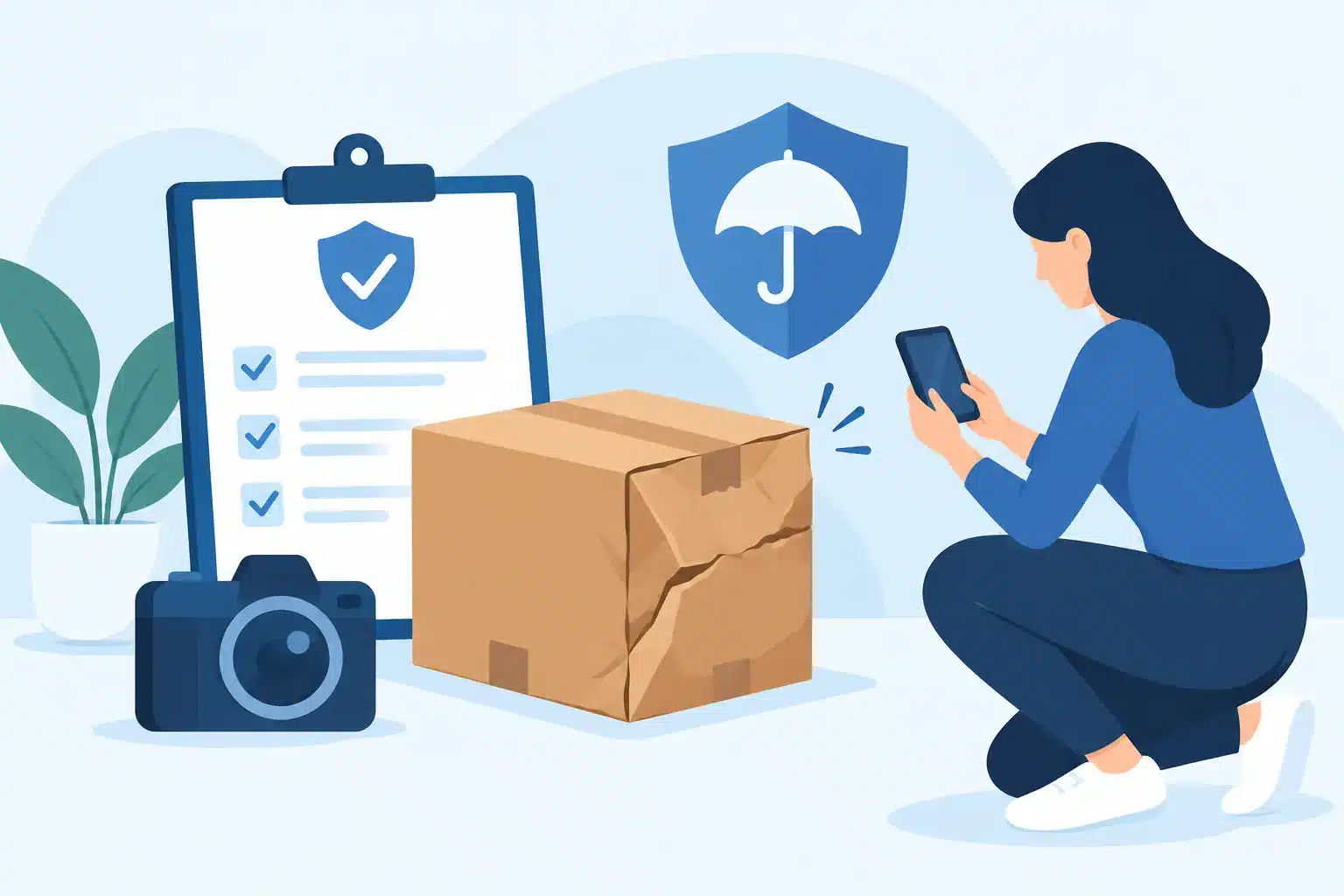
A torn mailer, a cracked record sleeve, or a box that arrives looking like it lost an argument with a conveyor belt can turn a great find into a frustrating problem. This shipping insurance claims guide helps you take the right steps while the details are still fresh, whether you are sending a collectible, mailing a gift, or shipping supplies for your small business.
The first rule is simple: save everything. The package, the packing materials, the label, the damaged item, and your receipt can all matter. A claim is easier to support when you can show what happened from the outside of the box all the way to the item inside.
Start Documenting Before You Open the Package
If a package arrives damaged, take photos before opening it. Capture every side of the box or mailer, especially crushed corners, punctures, water marks, broken tape, and shipping labels. Make sure the tracking number and any carrier markings are readable in at least one photo.
Then open the package carefully. Photograph the packing materials as you uncover them, including bubble wrap, paper, cardboard inserts, padded envelopes, or air pillows. If an item could have shifted during transit, these photos help explain why. Avoid throwing anything away, even if the packaging looks messy or unusable.
For items such as used books, vinyl, DVDs, games, and collectibles, photograph close-ups of the damage alongside wider shots that show the whole item. A bent book cover may be straightforward, but a split record jacket, cracked jewel case, damaged collectible box, or scratched disc can be easier to understand when the photos show both the specific issue and the item’s overall condition.
If there is visible damage but the contents appear fine, still take photos. You may notice a problem later, particularly with electronics, framed items, or media that has been tightly packed. Keep the packaging until you have had time to inspect the shipment fully.
Know What Your Coverage Actually Means
People often use “shipping insurance” as a catch-all term, but coverage can work differently depending on the carrier and service selected. Some shipping services include limited coverage up to a stated amount. Others offer declared value coverage or separately purchased insurance. The terms matter because coverage limits, exclusions, documentation requirements, and filing deadlines may not be the same.
Before filing, locate the shipping receipt or confirmation email and check the shipment details. Look for the carrier, tracking number, service level, amount of coverage purchased, date shipped, and declared value. If you bought coverage through a third party, the claims process may be handled separately from the carrier’s process.
Coverage is not a replacement for careful packing. A carrier may deny or reduce a claim if it determines that an item was not packed adequately for normal handling. That does not mean every damaged package is the sender’s fault. It does mean the claim needs a clear record of the packaging, the condition of the item, and the value being requested.
Gather Proof of Value Without Guesswork
A claim usually needs more than a photo of the damage. You also need to show what the item was worth. The right document depends on what was shipped.
For a new item, an original sales receipt or invoice is often the clearest proof. For a used book, rare edition, collectible, vintage game, or out-of-print media, value can be less obvious. A purchase receipt, sale record, itemized invoice, or documented recent comparable sale may help establish a reasonable value. Be accurate and realistic. Asking for more than the item’s supported value can slow down the claim or lead to a denial.
For a business shipment, keep the invoice that shows what the customer paid. If you are mailing a personal gift, a receipt from when you purchased the item may be useful. For irreplaceable family items, you may not be able to prove sentimental value, and carriers generally cannot reimburse sentiment. Still, photos and any available documentation can help establish the item’s material value.
If the item can be repaired, get a written repair estimate when practical. In some situations, a claim may be based on repair cost rather than full replacement value. If an item remains usable but has lost resale value because of visible damage, document that condition carefully.
File the Claim Promptly
Do not wait until you have a free weekend to start a claim. Filing windows vary by carrier, service, and claim type. Some claims can be filed shortly after delivery, while others have a limited period after the shipping date. Missing the deadline can end the process before the claim is reviewed.
Usually, the person who purchased the shipping label starts the claim. If you are the recipient, contact the sender right away with photos and a description of the damage. The sender may need your help with documentation, but they may be the one with the receipt and the authority to submit the request.
When completing the claim form, use a calm, factual description. State what was shipped, how it was damaged, and what documentation you are providing. “Hardcover book arrived with water damage after package was delivered with a soaked bottom panel” is more useful than “package was ruined.” Clear details save follow-up questions.
Keep a copy of the claim number, confirmation email, and every document you submit. If you speak with customer service, write down the date, representative’s name if available, and what was discussed. A simple note on your phone can make a big difference if you need to check on the claim later.
Do Not Repair, Toss, or Return the Item Too Soon
Once a claim is filed, the carrier or insurer may ask to inspect the item and its packaging. They may request additional photographs, proof of value, or a damage inspection at a shipping location. In some cases, they may ask you to keep the item for a set period.
That is why it is best not to repair the item, discard the box, or send it back to the seller immediately. If a damaged item must be returned, ask the seller how they want to handle the return and make sure you have already documented its condition. Save any return tracking information as well.
This can feel inconvenient when the damage is obvious. Still, the packaging is evidence. A crushed corner on a box, insufficient cushioning, or a puncture that lines up with damage inside can all help tell the story of what occurred in transit.
Prevent the Next Claim With Better Packing
A successful claim can recover part or all of a shipment’s value, but preventing damage is better for everyone. The right packing method depends on the item. A paperback does not need the same protection as a turntable, collectible figurine, or a stack of fragile discs.
For most shipments, choose a box with enough room for cushioning on every side. Wrap fragile items individually, fill empty spaces so contents cannot move, and reinforce heavy boxes with quality packing tape. Use a rigid mailer or cardboard protection for books and paper goods that can bend. For vinyl records and other collectible media, sturdy mailers, corner protection, and a snug fit can help protect both the item and its jacket.
Avoid reusing boxes that are soft, crushed, damp, or badly weakened. A box can look fine at a glance while having little strength left after a previous trip. Also remember that “Fragile” labels can be helpful, but they are not a substitute for padding and proper box strength.
If you are unsure which service or coverage amount makes sense, bring the item in before sealing the box. At Liquid Books, a second set of eyes can help you choose practical packing materials and shipping options for the item you are sending.
When a Claim Is Denied
A denial is disappointing, but it is worth reading the explanation closely. The reason may be missing documentation, insufficient proof of value, a missed deadline, excluded contents, or a finding that the package was not packed to standard. If you have additional evidence that addresses the reason, you may be able to request a review or appeal under the carrier’s process.
Stay organized and keep the conversation focused on the facts. Add better photos, a clearer receipt, or the requested proof rather than submitting the same information again. If the item was purchased from a retailer or marketplace seller, their return or buyer-protection policy may be a separate option from the shipping claim.
A damaged package is never the ending anyone wants for a favorite book, a hard-to-find album, or an order headed to a customer. A few careful photos, good records, and a prompt claim give you the best chance to put the situation right and get back to sending discoveries safely.
 Previous Post
 Next Post