


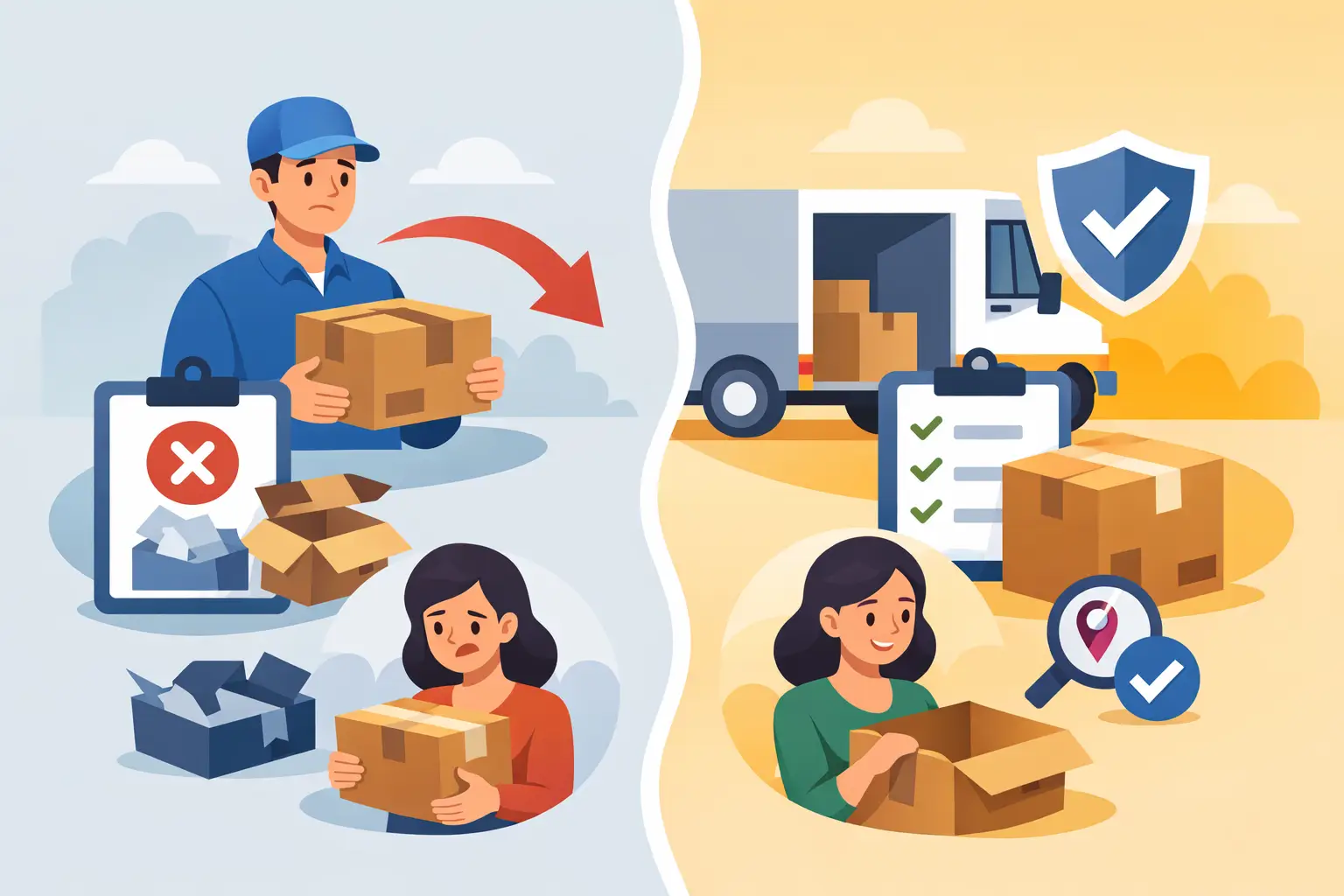
A package can be packed neatly, labeled with care, and still make its way back to the sender. That is why packages get returned often feels mysterious – especially when the item was headed to a friend, customer, student, or family member who was expecting it. Usually, though, the return has a practical cause that can be spotted and prevented before the box ever leaves the counter.
For Manteno-area residents and small businesses, a few extra minutes spent checking an address, choosing the right packaging, and understanding delivery requirements can save postage, time, and a second trip to the shipping center.
Why Packages Get Returned Most Often
The most common reason is an address problem. A missing apartment number, an incorrect ZIP code, a street name with one wrong digit, or an old address can stop delivery. Carriers use automated sorting systems and local delivery routes, so small details matter. If the address cannot be verified or the driver cannot identify a safe delivery location, the package may be marked undeliverable and sent back.
This is especially common with apartment buildings, college housing, office suites, rural routes, and newer neighborhoods. A recipient may tell you, “It’s 123 Main Street,” but leave out the unit number or business name needed to get the package to the right door. When shipping to a workplace, include the recipient’s name and company name if possible. For apartments, use the full street address and unit number exactly as the resident receives mail.
A package may also be returned because the recipient moved and did not update their address. Mail forwarding can help in some cases, but it does not always apply to every carrier or every type of shipment. A forwarding order may expire, and some packages cannot be redirected. When sending something valuable, confirm the address directly instead of relying on an old contact list or a previous order.
Missed Delivery Attempts
Not every package can be left at the door. A signature may be required because of the shipment’s value, the sender’s shipping choice, or carrier policy. If no one is available after the allowed number of delivery attempts, the package may be held for pickup and eventually returned.
This can also happen at buildings with locked entrances, controlled-access gates, or offices that close before the driver arrives. If the recipient knows a signature is required, they may be able to arrange a pickup or delivery change through the carrier. The available options depend on the shipping service, so it helps to send the tracking number as soon as the package is on its way.
Refused or Unclaimed Packages
Sometimes the address is correct, but the recipient refuses the delivery. This can happen when someone does not recognize the sender, believes an order was sent by mistake, no longer wants the item, or does not want to pay a required fee.
International shipments may be returned if the recipient declines customs duties, taxes, or brokerage charges. Domestic shipments can be refused, too, particularly when an unexpected package arrives at a business or shared household. A clear return address and a note letting the recipient know a package is coming can prevent confusion.
Packages held at a pickup location can also become unclaimed. The recipient may miss the delivery notice, forget the pickup deadline, or be unable to get there during business hours. Tracking updates are useful, but a quick message to the recipient is often more effective than assuming they saw the notification.
Packaging Problems That Can Lead to a Return
Damage does not always mean a package will be returned, but serious packaging issues can interrupt the trip. A box that is too weak, poorly sealed, badly crushed, or leaking may be pulled from the shipping stream for safety. If the item cannot continue safely, it may be returned to the sender or handled according to carrier procedures.
Used books, vinyl, DVDs, collectibles, and electronics all need packaging that matches the item. A paperback can bend in an oversized box without support. A record can arrive with damaged corners if it shifts around. A collectible may need padding on every side, not just a layer of paper across the top.
Choose a sturdy box with enough room for protective material, but not so much extra space that the contents slide freely. Tape every open seam with quality packing tape. If you are reusing a box, remove or completely cover old shipping labels and barcodes. A leftover barcode can confuse sorting equipment and send a package in the wrong direction.
For fragile items, use cushioning that holds the item in place. Give the box a gentle shake before sealing it. If you hear or feel movement, add more protection. “Fragile” labels can be helpful reminders, but they are not a substitute for secure packing.
Labels That Are Hard to Read or Scan
A label needs to be flat, readable, and firmly attached. Wrinkled labels, faded ink, tape covering a barcode, or handwriting that is difficult to read can all create trouble. The carrier may correct a minor issue, but a label that cannot be scanned or interpreted can cause delays or a return.
Place the label on the largest flat side of the package, away from seams and edges. Do not wrap it around a corner. If you are using a handwritten label, print clearly in dark ink and avoid abbreviations that could be misunderstood. Including both the recipient’s phone number and your return address can provide an extra way to resolve a problem, although requirements vary by service.
Shipping Restrictions and Service Mismatches
Some returns happen because the package contains an item that cannot travel through the selected service. Certain batteries, aerosols, liquids, perishables, hazardous materials, and restricted items have special rules. Rules may differ between ground and air services, domestic and international shipments, and one carrier and another.
That does not mean these items can never be shipped. It means they need the right service, packaging, labels, and paperwork. Guessing can lead to delays, returns, or worse. If you are shipping an unusual item, be upfront about what is inside so the shipment can be prepared correctly.
Service mismatch can also mean choosing a delivery option that does not fit the recipient’s situation. A signature-required service offers more security, but it can be inconvenient for someone who works long shifts. A lower-cost option may be a smart choice for a replaceable paperback, while a rare first edition, collectible game, or important business document may deserve added tracking, insurance, or signature confirmation.
The right choice depends on the item, its value, the deadline, and how easily the recipient can accept delivery. There is no single best shipping option for every box.
How to Reduce the Chance of a Return
Before handing over a package, use a simple final check. Confirm the recipient’s full name, street address, unit or suite number, city, state, and ZIP code. Make sure the return address is current, too. If delivery requires a signature or may involve pickup, let the recipient know what to expect.
Next, inspect the package itself. Use a box or mailer that suits the item, seal it securely, remove old labels, and make sure the new label is easy to scan. Keep your receipt and tracking number until delivery is complete. Tracking will not prevent every issue, but it gives you a chance to act quickly if a package is delayed, held, or marked as having an address problem.
For local senders, face-to-face shipping help can make a difference. At Liquid Books, customers can bring in books, media, gifts, documents, and everyday shipments for help selecting packaging and preparing them for the road. It is a practical way to avoid turning a simple shipment into a round-trip package.
A returned package is frustrating, but it is usually a fixable signal: an address needs one more detail, a recipient needs a heads-up, or the box needs better protection. Check those small details before shipping, and your package has a much better chance of arriving where its next chapter begins.
 Previous Post
 Next Post