

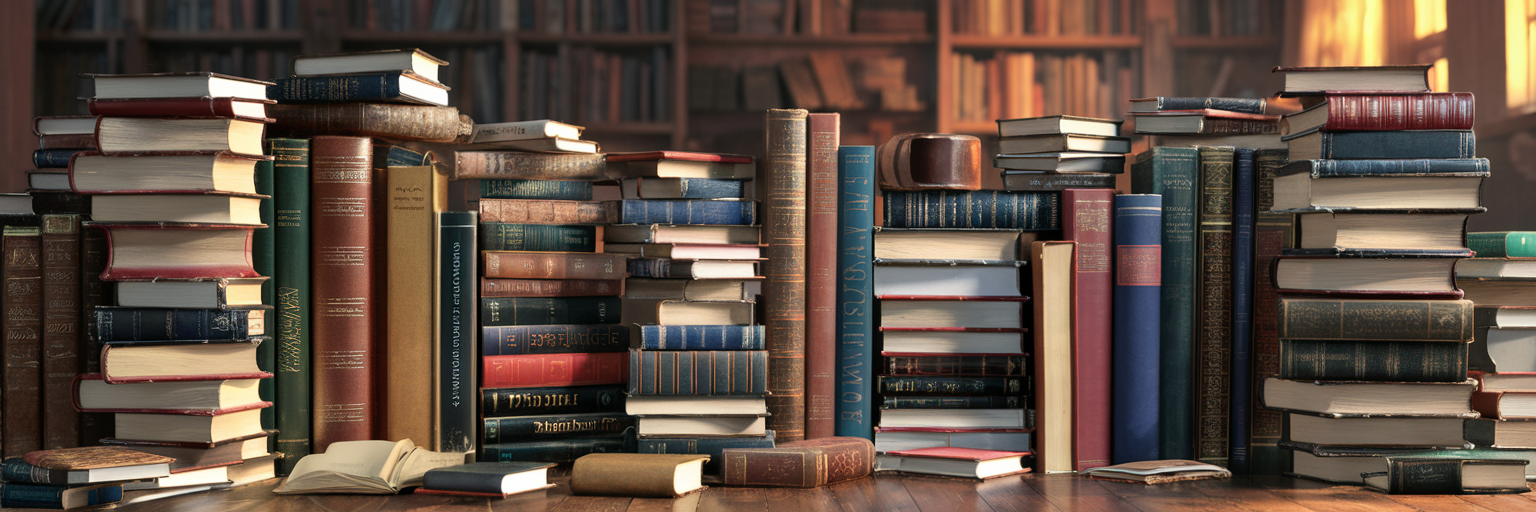

A shelf can go from carefully chosen to impossible to browse faster than most readers expect. The best book trade examples are not about giving up books you loved. They are about passing along titles you have finished, duplicates you do not need, and genres you no longer reach for so someone else can discover them. In return, you make room for your next reader favorite.
Book Trade Examples Worth Bringing In
A good trade pile usually starts with books that are still clean, readable, and ready for another home. That does not mean every item has to look brand new. Used books are meant to have a little history. The goal is simple: bring books that another customer would be happy to pull from the shelf.
Recent paperbacks and hardcover fiction
Popular mysteries, romance novels, thrillers, fantasy, science fiction, and literary fiction are reliable examples of books readers often enjoy trading. Maybe you tore through a bestselling beach read on vacation, finished a twisty detective series, or picked up a novel that was not quite your style. If it is in good condition, it could be exactly what another local reader is looking for.
Hardcover fiction can be a great trade, too, particularly when the dust jacket is intact and the pages are clean. Recent releases may be in demand, but an older title with a great cover or a loyal following can still be a welcome find. Condition, local interest, and current inventory all matter.
Complete series and genre favorites
A full series often catches a shopper’s eye faster than one random volume. Young adult fantasy sets, cozy mysteries, manga runs, classic science fiction, and historical romance collections can help a new reader jump right in without hunting for book two somewhere else.
If you have several books from the same author or series, keep them together when you sort your trade box. A complete or nearly complete group is easier to review, and it gives the next customer a better chance to take home more than one book. Single volumes can still be useful, especially in popular series, but missing pages or heavily damaged covers can limit their value.
Children’s books your family has outgrown
Children move through reading stages quickly. Board books, picture books, early readers, chapter books, and middle-grade adventures can become trade-worthy as soon as your household is ready to make space. A beloved bedtime story may be ready to become another family’s new favorite.
Look through children’s books for scribbles, torn pages, loose bindings, water damage, or missing activity pieces before bringing them in. A name written neatly inside a cover may not be a dealbreaker, but a book should still be clean, safe, and easy for its next young reader to enjoy.
Cookbooks, hobby books, and useful nonfiction
Nonfiction makes excellent trade material when the information remains useful and the subject has lasting interest. Think cookbooks with recipes you actually tried, gardening guides, art books, history, biographies, travel guides, crafting books, and local-interest titles. A cookbook that did not fit your kitchen may be the perfect match for someone else’s next dinner project.
Some nonfiction ages faster than others. Old test-prep books, software manuals, medical guides, and travel books can become outdated, even when they are in great shape. Before adding these to your box, consider whether the information would still help a customer today. That small check makes your trade pile stronger.
Special editions, vintage books, and collector finds
Not every older book belongs in the same category. A vintage edition, signed copy, unusual printing, illustrated classic, or collectible book may deserve a closer look. These can be fun finds for collectors, but their value depends on details such as edition, condition, demand, and whether the item is complete.
Bring collector items in with any dust jackets, slipcases, maps, or inserts that came with them. Do not try to repair a fragile book with tape or glue before trading it. Original condition is usually better than a well-meant repair.
More Than Books: Media Trade Examples
A home cleanout often turns up more than novels. At Liquid Books, customers can also trade qualifying physical media and collectibles for store credit, so it helps to sort those items while you are already organizing a shelf or closet.
Vinyl records, DVDs, CDs, video games, and nostalgic merchandise can all be worth bringing in for review. Keep discs in their cases, match games with their original packaging when possible, and check that records are protected in sleeves. A complete item is easier for the next collector or movie fan to enjoy.
As with books, what is accepted can depend on condition, current stock, and customer interest. A scratched disc, moldy book, broken game case, or water-damaged record may not be a good fit. When in doubt, bring a neatly organized selection and ask. A quick conversation can save you from guessing.
What Makes a Trade More Useful?
The strongest trade-ins have one thing in common: they are ready for a second life. Before you pack a box, give each item a quick once-over. Pages should be present and readable. Covers and bindings should be reasonably sound. Books should be free from strong odors, moisture damage, mildew, and pests.
It also helps to be realistic about what has broad appeal. Mass-market paperbacks that are falling apart, outdated reference books, heavily highlighted textbooks, and damaged ex-library copies may be harder to place. That does not make them worthless as objects, but a curated used bookstore has to make room for items customers are likely to buy and enjoy.
Demand changes, too. A title that was common five years ago may be arriving in large numbers now, while a book you assumed was ordinary could be a reader favorite. This is why trade values are not set by a single rule. The item’s condition matters, but so do current inventory needs and what local customers are seeking.
How to Prepare a Book Trade Without the Hassle
Start small if you are trading for the first time. One tote or a sturdy box is easier to carry, review, and organize than a trunk full of mixed items. Separate books from records, discs, games, and collectibles so everything stays protected.
Remove personal bookmarks, receipts, family photos, and notes tucked between pages. If you find an inscription, decide whether it adds character or makes the book too personal to pass along. Then stack books flat or upright in a box rather than stuffing them into plastic bags, where corners can bend and moisture can get trapped.
When you arrive, think of the trade as a conversation rather than a drop-off. Let the staff know if there are complete sets, signed copies, vintage editions, or items you believe have special features. You do not need to research every title beforehand, but sharing those details helps make sure unusual finds get the attention they deserve.
If your trade is accepted, store credit gives your old shelf a new purpose. Non-expiring store credit means you can browse now, come back later, or save it for the day a particular book, record, movie, or game catches your eye. There is no pressure to spend it all at once.
When a Book May Be Better Kept, Gifted, or Sold Another Way
Trading is wonderfully simple, but it is not the best choice for every item. A sentimental book with a handwritten note from a loved one may be worth keeping, even if you no longer plan to reread it. A rare first edition, a highly valuable collectible, or an item with specialized auction appeal may also call for more research before you trade it.
Likewise, some books are better shared directly. A friend may love the cookbook you used every Sunday, and a classroom or little free library may be a good home for books that are still readable but unlikely to fit a store’s current needs. The right next step depends on your goal: clearing space quickly, earning credit, helping a specific person, or preserving a collectible.
A trade box is not just clutter leaving the house. It is a fresh chance for a mystery fan to find their next late-night read, for a kid to meet a favorite character, or for a collector to spot the one item they have been missing. Bring in the books and media you are ready to pass along, then leave a little room on your shelf for the unexpected gem waiting next.
 Previous Post
 Next Post