


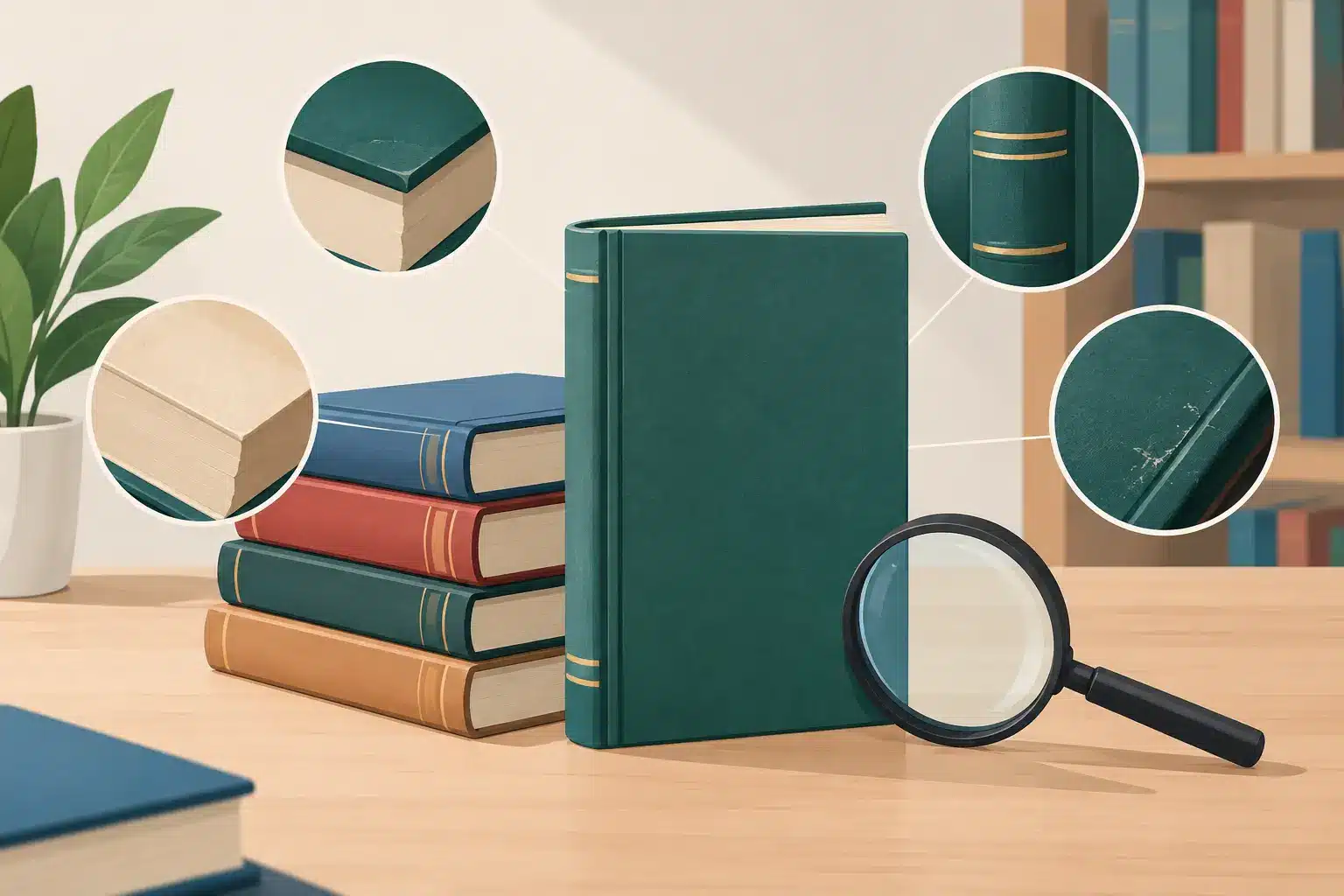
A first edition with a scuffed jacket may still be a thrilling find. A crisp-looking paperback with highlighted pages may be perfect for reading but less appealing to a collector. This collectible book condition guide helps you look beyond the cover, understand the language sellers use, and decide whether a particular copy belongs on your shelf.
Condition is not about finding a book with no history. Used books earn their character through hands, backpacks, bookcases, and repeat reads. The goal is simply to know what you are buying or trading, especially when a title is scarce, signed, illustrated, or tied to a favorite author, series, or era.
Why Book Condition Changes the Price
Two copies of the same title can have very different values. Edition, printing, rarity, demand, and provenance all matter, but condition often determines how far apart those prices land. A clean, sturdy copy with its original dust jacket can be much more desirable than the same book with detached pages or heavy moisture damage.
That does not mean every flaw makes a book a bad buy. A reader may happily choose a worn copy of a hard-to-find novel because the story matters most. A collector seeking a display copy may hold out for cleaner boards, a brighter spine, and an intact jacket. Neither approach is wrong. It depends on whether you are building a reading stack, completing a series, buying a gift, or collecting a particular edition.
Condition should also be described honestly. A small corner bump is very different from a cracked hinge. Light tanning from age is common in older paperbacks; musty odor or active mold is a different concern altogether. Knowing the distinction makes browsing more rewarding and trade-ins more straightforward.
Collectible Book Condition Guide: Common Grades
There is no single rulebook that every bookseller uses word for word, but the following grades give you a dependable starting point. When a book is valuable, read the details alongside the grade. A short condition note can tell you more than a label alone.
Fine or Like New
A Fine or Like New copy looks close to the way it appeared when first sold. Pages are clean, the binding is tight, and there is little to no visible wear. On a hardcover, the dust jacket should be equally clean if it is included and being described as Fine.
For modern collectibles, this is usually the condition buyers hope for. Still, a nearly flawless book is not automatically rare. Plenty of newer books survive in excellent shape, so edition and demand remain part of the picture.
Very Good
Very Good means a clean, well-kept copy with modest signs of use. You might see light edge wear, a small crease, gentle rubbing, or mild yellowing to the pages. The book should still be solid, complete, and pleasant to handle.
This is often the sweet spot for readers who enjoy nice copies without paying top collector prices. A Very Good vintage paperback can be a terrific shelf find, especially if the cover art is bright and the spine is unbroken.
Good
Good is a usable, complete book with noticeable wear. Covers may be rubbed, edges may be worn, and pages may show tanning or occasional notes. The binding should generally remain sound enough for normal reading, though an older book may feel less firm than a newer one.
The word Good can sound better than it is in everyday conversation, so look for specifics. If a seller says Good with underlining, a name inside, or a worn jacket, that may be completely fair. It simply means the book is no longer close to collector-clean.
Fair or Reading Copy
A Fair copy has significant wear but remains readable. It may have a loose hinge, heavy creasing, stains, missing jacket, or a repaired tear. A reading copy is usually bought for access to the text, not for display or resale value.
These books still have a place. Out-of-print cookbooks, vintage local histories, and beloved series books can be worth picking up in rougher shape when cleaner copies rarely appear. Just make sure the condition matches the price and your plans for it.
Poor
Poor condition usually means major issues such as missing pages, water damage, broken binding, severe odor, or extensive writing. Unless the book is unusually scarce, historically important, or useful as a repair copy, it has limited collector appeal.
What to Check Before You Buy
Start with the binding. Open the book gently near the front and back, then look along the inside hinges. A little looseness can be normal in an older volume, but a split hinge, detached cover, or groups of loose pages should be noted.
Next, look at the pages in good light. Check for writing, highlighting, stains, moisture rippling, tears, clipped corners, and library markings. A previous owner’s name is a small issue for many readers, but it can matter more in collectible copies. Missing maps, illustrations, foldouts, or endpapers can also reduce value.
Then inspect the exterior. On hardcovers, examine the boards, spine lettering, corners, and dust jacket. Is the jacket price-clipped? Are there chips or tears? Is it a later replacement rather than the jacket originally issued with the book? Dust jackets are often fragile, and for many 20th-century first editions they can account for a substantial share of collector value.
For paperbacks, focus on the spine, cover gloss, creases, and page edges. A spine that has never been cracked can be especially appealing for vintage genre paperbacks. On the other hand, a clean cover with a brittle, drying text block may not be as sturdy as it first appears.
Finally, trust your nose. Old-paper scent is common. Strong smoke, mildew, perfume, or basement odor can be difficult to remove and may affect whether a book is comfortable to keep. If you are shopping in person, take a moment to flip through the whole book rather than judging it from the front cover alone.
Details That Matter More to Collectors
Some flaws are minor in a common reading copy but meaningful in a collectible edition. A first edition should be identified carefully, since a first printing, a book club edition, and a later printing can look surprisingly similar. Publisher statements, number lines, copyright pages, jacket prices, and dimensions may all provide clues.
Signatures and inscriptions add another layer. A signed book is not always more valuable, particularly if the signature cannot be verified or the author signed huge quantities. A personal inscription to a notable person, however, may add interest. So can a book with a clear connection to a local author, event, or previous owner.
Completeness matters, too. Original slipcases, jackets, inserts, posters, and supplemental booklets can raise desirability. They can also be easy to lose over time. If you are collecting a set, compare copies for matching formats and covers before assuming they belong together.
Buying, Trading, and Building a Shelf You Love
The best collection is not always the most expensive one. Some readers chase first editions; others collect vintage horror covers, childhood series, movie tie-ins, or Illinois history. Set your own standard, then use condition as a tool rather than a barrier.
When trading books, bring in copies that are clean, complete, and ready for another reader. Honest notes about flaws help everyone. At Liquid Books, trade-ins can turn your gently used books and media into store credit that never expires, giving you a practical reason to make room for the next hidden gem.
If a book matters to you, protect it from direct sunlight, damp basements, garages, and extreme heat. Store it upright with enough support to prevent leaning, but do not pack it so tightly that the spine gets strained. Keep food and drinks away from your reading spot, and use a bookmark instead of folding corners.
A book does not need to be flawless to be worth keeping. The right copy is the one whose condition, price, and story feel right when you bring it home.
 Previous Post