
A paperback with a handwritten note inside. A record you have wanted since high school. A DVD that is suddenly nowhere to stream. The physical media resurgence is not just about nostalgia, although nostalgia is certainly part of the fun. It is about having something real to choose, share, keep, and enjoy on your own terms.
For readers, music fans, movie watchers, gamers, and collectors around Manteno and Kankakee County, physical media offers a different kind of convenience. It does not disappear because a subscription service changes its catalog. It does not require another monthly fee. And when you shop used, it can cost far less than buying new while giving a great item a useful next chapter.
The physical media resurgence is built on ownership
Digital libraries can be handy. Streaming makes it easy to try a show on a weeknight, listen to a new album on the road, or download an ebook before a trip. But access and ownership are not the same thing.
When you own a book, record, CD, DVD, game, or other physical item, it is yours to revisit whenever you like. There is no concern that a favorite movie will leave a platform before movie night. A game disc can be loaned to a friend. A cookbook can stay open on the counter, collecting the little marks that prove it has made many good meals.
That sense of permanence matters to more people than ever. Physical media gives customers a personal library rather than a temporary queue. It also gives families an easy way to pass stories, music, and memories along. A child who discovers a favorite fantasy series on a shelf may someday hand those same books to someone else.
There are trade-offs, of course. Physical collections need shelf space, occasional cleaning, and a little organization. A phone can hold thousands of songs without taking up a single inch of a bookcase. But for many people, that is exactly the point: a collection should not feel invisible. It should reflect the things that have meant something to you.
Discovery works better when you can browse
An algorithm can recommend more of what you already like. A used bookstore or media shelf can surprise you.
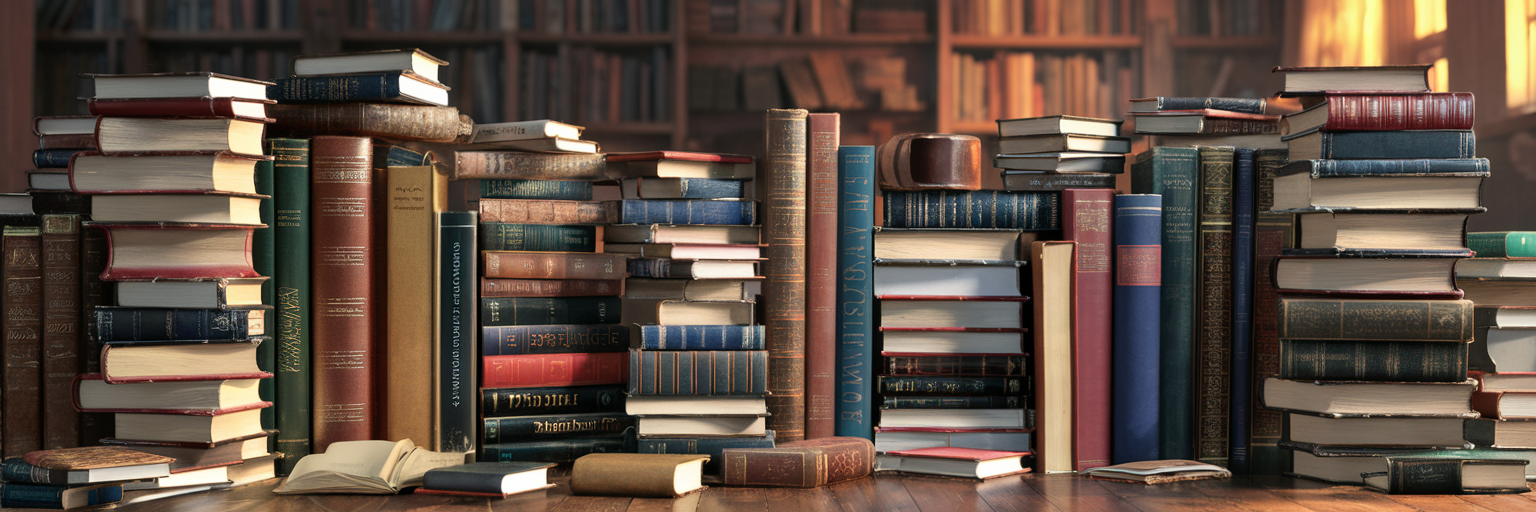
You might walk in looking for a mystery novel and find a local history book, a favorite author’s earlier work, or a title you remember seeing in a classroom years ago. You may come across a vinyl record because the cover catches your eye, then bring home an artist you had never considered searching for. The best finds are often not the ones you planned to make.
That is one reason used media remains special. Every trade-in changes the selection. New books and media are added regularly, which means a quick browse can turn into a genuine hunt for hidden gems. The inventory has personality because it has been shaped by real readers, listeners, players, and collectors in the community.
Online shopping has its place, especially when you know the exact edition, artist, or game you need. Browsing in person offers something different: context. You see what sits next to an item. You compare editions, flip through pages, inspect condition, and talk with someone who may know where to look next. That kind of discovery cannot be reduced to a search bar.
The experience is part of the value
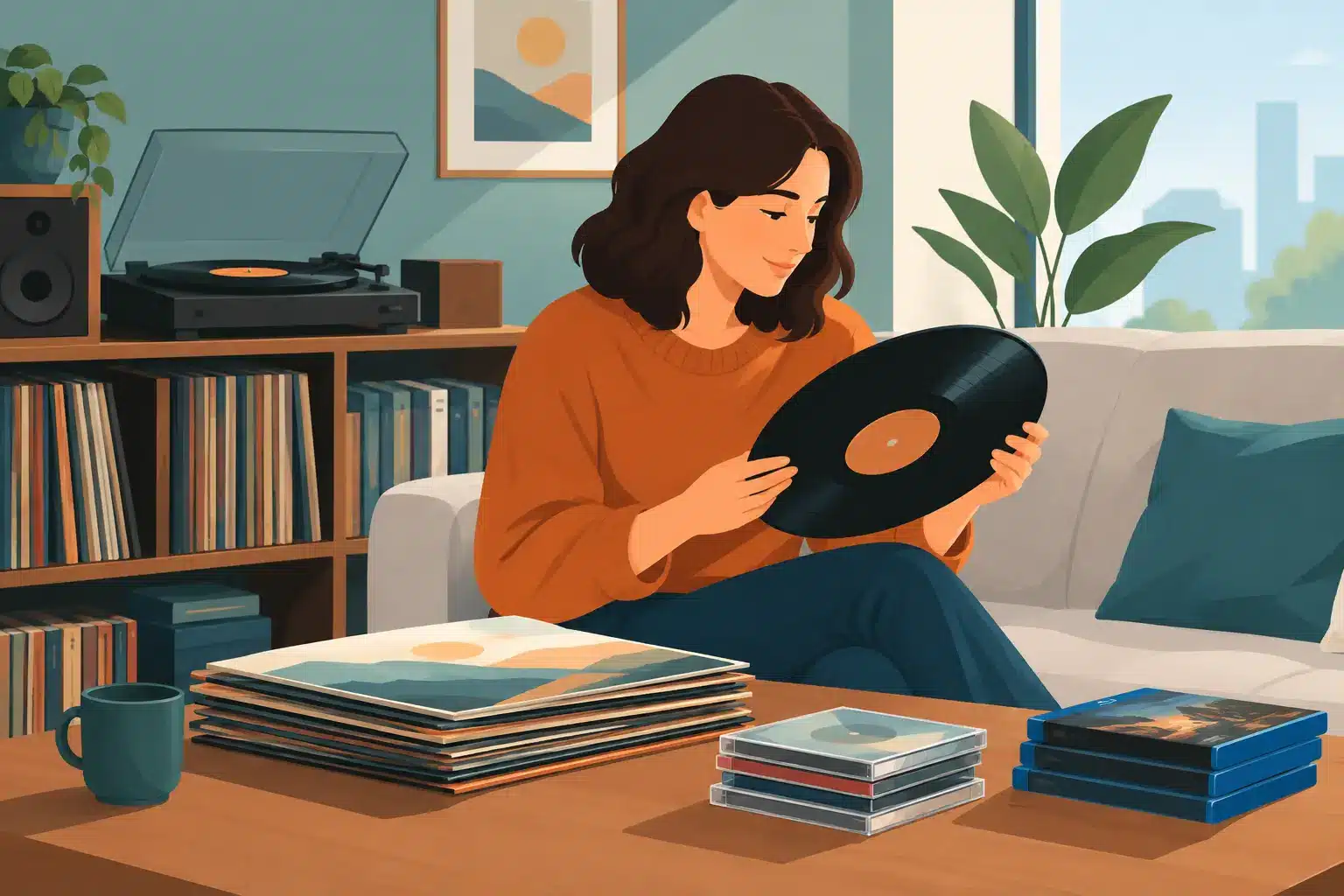
A physical item has texture and history. Books have cover art, typefaces, and sometimes the faint evidence of their past lives. Vinyl invites you to listen to an album as a full work rather than a shuffled collection of singles. DVDs can include commentary, bonus scenes, and packaging that makes a film feel worth keeping.
Collecting does not have to mean chasing rare, expensive items. It can be as simple as building a shelf of comfort reads, favorite comedies, classic games, or albums that make ordinary errands feel more interesting. Affordable used media makes that kind of collection possible without treating every purchase like a major investment.
Reuse gives good media another life
The physical media resurgence also fits naturally with a practical, eco-friendly habit: reuse what already exists.
Books, CDs, DVDs, records, and games are made to be enjoyed more than once. Trading or selling items you no longer use keeps them moving instead of letting them gather dust in a closet or head to the landfill. Someone else gets the chance to discover them, and you make room for your next find.
At Liquid Books, customers can buy, sell, and trade selected used books, media, and collectibles for store credit that never expires. That gives a stack of finished novels or a box of gently used movies real value. You do not have to turn it into a one-day project or spend the credit immediately. Bring in what you are ready to pass along, then browse when the timing is right.
This circular approach is especially useful for families. Kids outgrow book series, video games, and movies quickly. Students finish required reading. Collectors refine their shelves. Trading creates an easier path forward than throwing everything away, while keeping distinctive items in circulation for the next customer.
Physical media brings people into the same conversation
A shared shelf can start conversations that a private digital library rarely does. A visitor notices a record and tells you about seeing that band live. A friend borrows a book and comes back ready to discuss the ending. A parent introduces a teenager to a movie they loved years ago, only to discover that the teenager has a completely different favorite character.
Local shops help keep those conversations going. They are places where a casual question can lead to a recommendation, a trade-in can lead to a new favorite, and a familiar customer can find something unexpected. That community element matters because physical media is not only about the object. It is about the stories attached to it and the people who help it circulate.
For collectors, the social side can be just as rewarding as the search. Comparing pressings, debating the best adaptation of a novel, or swapping tips on a hard-to-find title turns a personal hobby into a shared interest. For casual customers, it simply makes shopping more enjoyable and less transactional.
Not every format has to win
Choosing physical media does not mean rejecting digital tools. Most households use both, and that balance makes sense. Stream a show when you want something quick. Keep the films you know you will watch again. Read an ebook while traveling, then pick up a used hardcover when you want to slow down and spend time with a story. Use a playlist for the commute and put on a record when you want to hear an album from beginning to end.
The right format depends on the moment. Digital is excellent for speed and portability. Physical media is excellent for ownership, browsing, gifting, collecting, and keeping a favorite available. One does not have to replace the other.
What has changed is that more people are recognizing that convenience alone is not always enough. They want choices that feel lasting, affordable, and personal. They want fewer forgotten files and more things they can hold, lend, trade, and rediscover.
The next time you clear a shelf, do not assume those books, movies, albums, or games have reached the end of their story. Set aside the ones you are ready to pass on, bring them in for a trade, and leave room for the next unexpected favorite.
 Previous Post