
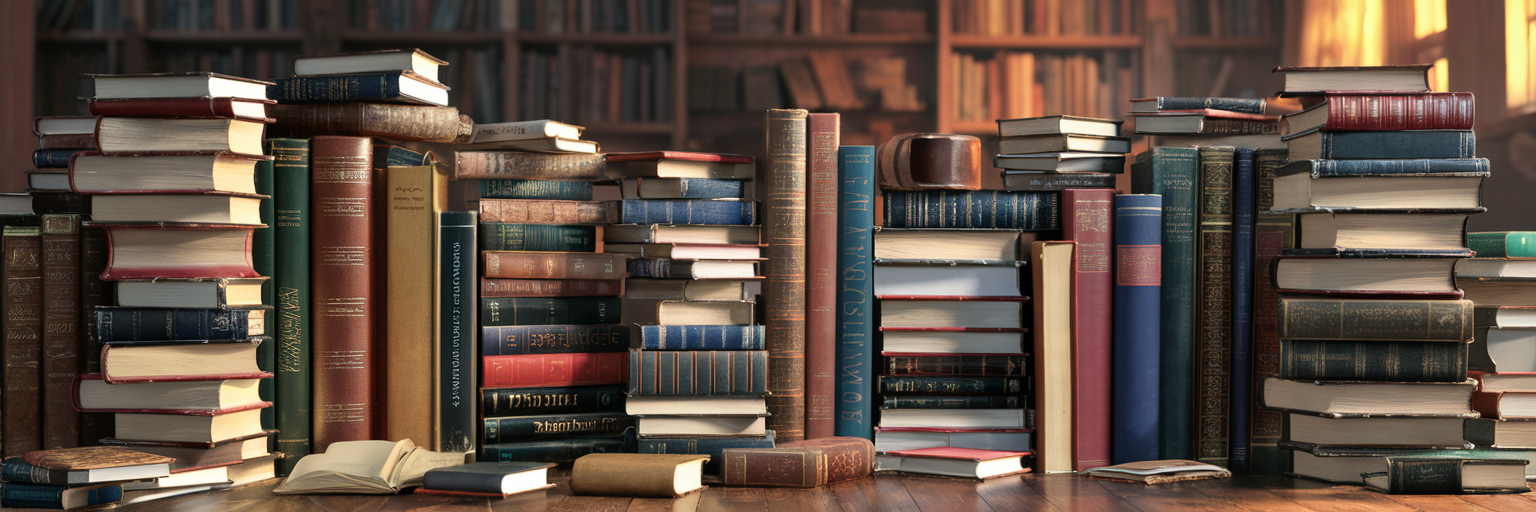

A $4 paperback with a handwritten name inside can feel like a lucky find. A crisp new release, with its untouched cover and that just-printed scent, has its own appeal. When it comes to used books versus new books, the better choice is rarely about one being superior. It is about what you want from your next read.
For readers around Manteno and Kankakee County, both options make room for more stories, more gifts, and more reasons to browse. The trick is knowing when a pre-loved copy is exactly right and when buying new makes more sense.
Used Books Versus New Books: The Real Difference
The most obvious difference is price. Used books often let readers bring home more for the same budget. That matters for families filling summer reading stacks, students tracking down class titles, collectors building a series, or anyone who has ever walked into a bookstore looking for one book and left wanting five.
A lower price does not mean lower value. Many used books are gently read, well cared for, and ready for years of use. Some are out of print, feature older cover art, or include editions that are harder to find on a typical new-book shelf. A used copy can turn an ordinary shopping trip into a real discovery.
New books, meanwhile, offer certainty. You know the edition is current, the pages are clean, and the condition is pristine. If you are buying a gift for a special occasion, starting a reference book you expect to mark up heavily, or picking up a highly anticipated release, a new copy may be the better fit.
Neither choice needs to be a permanent loyalty test. Plenty of great home libraries are built with both.
Why Used Books Keep Readers Coming Back
Used books have personality. A little shelf wear, an older price sticker, or a bookmark left behind can be part of the charm, though condition always matters. The best used bookstores sort carefully so browsing feels like treasure hunting, not like digging through a forgotten basement box.
There is also the simple joy of variety. New-book inventory follows publishing schedules and current demand. Used inventory changes with every trade-in and every collection that comes through the door. That means a reader might find a recent bestseller beside a classic mystery, a vintage cookbook, a beloved children’s series, or a title they did not know they were looking for.
For collectors, those surprises are often the point. A particular cover design, an older printing, or a missing volume in a long-running series may be easier to spot in used inventory than on a new release table. The condition may not be flawless, but the find can still feel perfect.
Used books also support reuse. Choosing a pre-owned book keeps a useful item in circulation and gives it another life in a new home. It is an easy, practical way to shop with less waste without making reading feel like a sacrifice.
At Liquid Books, customers can also trade in qualifying books, media, and collectibles for store credit that never expires. That turns books you have finished into future reading, while helping keep the shelves full of fresh discoveries for the next person.
Condition Is Part of the Decision
A used book can be a great value, but it is worth taking a quick look before you buy. Check for loose pages, water damage, heavy highlighting, missing dust jackets, or odors that could make reading less enjoyable. Light wear is normal and often expected. Significant damage is a different story, especially if you want a gift-quality copy or a book you plan to keep for years.
Edition matters, too. A used textbook may be affordable, but an older edition can be missing updated information. A used novel is usually a straightforward choice, while travel guides, tax references, medical information, and technical manuals deserve a closer look at the publication date.
When New Books Are Worth It
New books shine when timing matters. If an author you follow has released a book this week, waiting for a used copy may take a while. Popular titles do make their way into resale shops, but there is no guarantee of when they will arrive or what condition they will be in.
A new copy is often the simplest choice for gifts. There is something satisfying about handing someone a clean, untouched book selected just for them. New releases also make sense for book clubs that need matching editions, parents buying activity books, and readers who prefer a flawless cover on a favorite author’s latest work.
Some books are tools as much as they are reading material. Current test-prep guides, business resources, local maps, technology manuals, and reference works may be more useful new because the information is up to date. In these cases, paying more can save frustration later.
Buying new also supports the release cycle for authors and publishers. For readers who want to show immediate support for a favorite writer, especially a debut author or independent creator, purchasing a new release can be a meaningful choice.
Budget, Availability, and the Kind of Reader You Are
The best answer often comes down to your reading habits. If you read several books a month, used books can stretch your budget and make experimenting with unfamiliar genres easier. You may be more willing to try historical fiction, science fiction, poetry, or a quirky memoir when the price leaves room for another find.
If you mostly buy a few carefully chosen titles each year, new books may fit your habits better. You may value a matching set, a pristine hardcover, or the experience of reading a release as soon as it arrives.
Parents often benefit from a mix. Young readers can move through books quickly, and used children’s books make it easier to keep a home library growing. For a birthday, holiday, or a title a child has been eagerly waiting for, a new book can make the moment feel extra special.
The same approach works for students. Used copies can be a smart option for novels and supplemental reading. For course materials where edition changes affect assignments or page numbers, confirm exactly what the instructor requires before buying.
Build a Reading Habit, Not Just a Book Pile
A book does not have to be new to be meaningful, and a new book does not have to be expensive to be worthwhile. What matters is whether it gets read, shared, gifted, revisited, or passed along when you are finished.
Try giving yourself a simple rule for your next bookstore visit: buy new when freshness, timing, or current information matters most. Buy used when you want value, variety, a hard-to-find title, or the thrill of an unexpected discovery. Leave room for exceptions. The book you cannot stop thinking about is often the right one, whatever shelf it came from.
The next time you browse, take a little extra time. Pull out the unfamiliar spine, check the first page, and see what catches your attention. Your next favorite story may already be waiting for its second chapter with you.
 Previous Post
 Next Post