
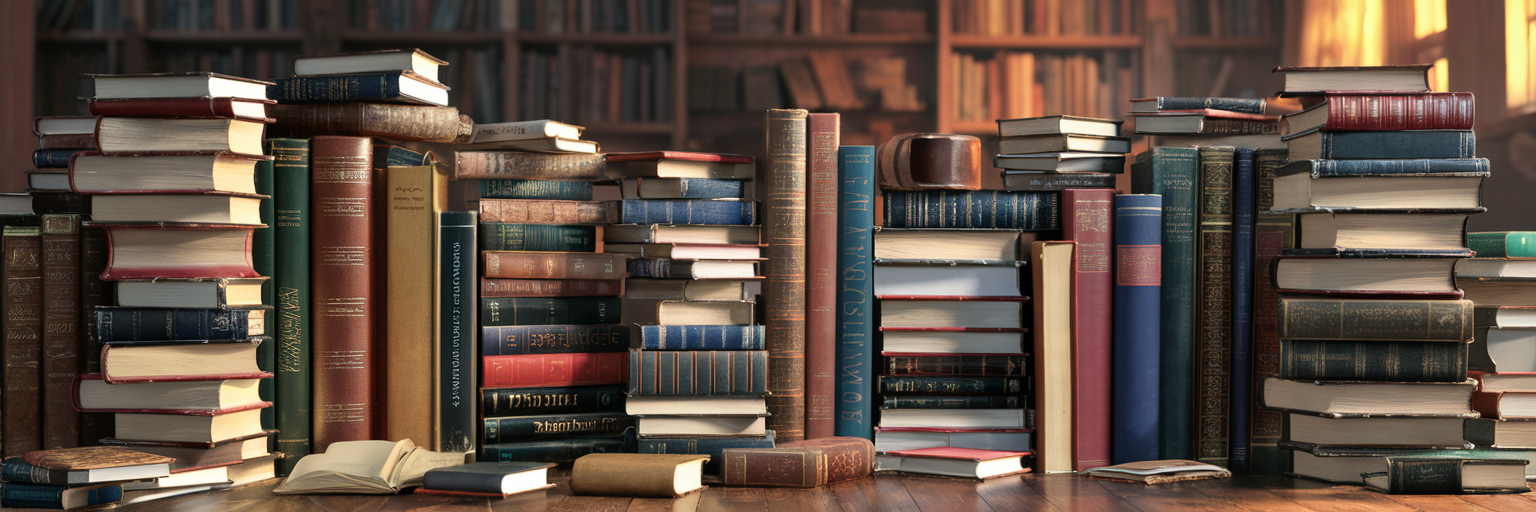

A stack of finished books can be more than shelf space waiting to happen. If you are wondering what books are worth trading, start with a simple idea: the best trade-ins are books another reader will be excited to discover. A popular paperback in clean condition may be more useful than an old hardcover nobody is likely to pick up. Trading is about giving good books another chapter while earning store credit for your next find.
At Liquid Books, the goal is not to make trading complicated. Bring in books you have finished, let us take a look, and turn the titles we can use into non-expiring store credit. Inventory needs change, though, so a book’s trade value depends on more than its original price.
What Books Are Worth Trading to a Used Bookstore?
Books that are clean, complete, readable, and likely to sell are usually the strongest candidates. Current reader favorites, recognizable authors, and genres with steady local interest tend to be welcome additions to a used bookstore’s shelves. Think mysteries, thrillers, romance, science fiction, fantasy, horror, history, biographies, cookbooks, children’s books, and well-kept classics.
Condition matters just as much as subject. A gently read paperback with a solid spine, clean pages, and an intact cover is easier for the next reader to enjoy. A book does not need to look brand-new to be worth trading. Normal shelf wear is expected. What makes a difference is whether it still feels like a good find rather than a project.
Books with a clear audience can be especially helpful. A recent novel from an author with a loyal following, a complete set of early-reader books, or a practical cookbook with recipes people actually want to make all have an easier path to a new home. Local readers have different tastes, so selection always plays a role. One shop may need more westerns this week, while another may be looking for graphic novels or cozy mysteries.
Condition Can Make or Break a Trade
Before packing a box, give each book a quick, honest check. Is the cover attached? Are the pages dry and free of major stains? Does the book smell musty from a basement, garage, or old storage bin? A few reading creases are usually no problem, but damage that affects use or presentation can keep a book from being resold.
Books are often harder to trade when they have water damage, mold, smoke odor, insect damage, missing pages, heavy highlighting, or extensive writing inside. Library books, book club editions, and advance reader copies may also have limited resale appeal, depending on the title and condition. That does not mean they have no purpose, but a resale shelf may not be the right next stop for them.
The same goes for heavily outdated information. Old travel guides, test-prep books, computer manuals, medical references, and tax guides can become obsolete quickly. A vintage book can still be interesting, but age alone does not make it collectible. The question is whether a reader, student, decorator, or collector has a reason to want that specific copy now.
Popular Does Not Always Mean Valuable, but It Helps
Many people assume that an expensive hardcover or an older edition must bring the best trade value. Sometimes that is true, especially for desirable collectible editions. More often, a used bookstore is looking at something more practical: Can we offer this book at a great price and expect someone to enjoy it soon?
That is why a recent paperback from a popular series may be a better trade than a beautiful but obscure volume that has been sitting on a shelf for decades. Demand, condition, and current stock work together. If several copies of the same title are already waiting for readers, a shop may pass for now. If that author is flying off the shelf, the same book could be a welcome trade.
Series are worth checking carefully. Complete or near-complete sets often appeal to readers who want to continue without hunting down every installment. Children’s chapter book series, young adult favorites, manga volumes, and bestselling fantasy series can be especially fun to trade when the books are in order and well cared for. A single volume can still be useful, but a tidy run gives the next reader a stronger reason to grab it.
Books That Can Surprise You
Not every worthwhile trade-in is a bestseller. Interesting regional history, quality art books, unusual hobby guides, vintage children’s books, niche nonfiction, and out-of-print titles can all catch the right person’s eye. The key is quality and relevance, not just rarity.
A book may be uncommon because nobody saved it, or because nobody wanted it in the first place. Collectibility comes from a mix of scarcity, condition, author, edition, subject, and buyer interest. First editions, signed copies, and older books with original dust jackets can deserve a closer look, but they are not automatically high-value. Avoid taping repairs or trying to clean a collectible book yourself before bringing it in. A well-meaning fix can sometimes reduce its appeal.
If you have a box that includes unusual older books, keep those titles separate from everyday paperbacks. It makes the conversation easier and helps ensure that special items get the attention they deserve.
How to Prepare Books for Trade
You do not need to sort every book by genre or price before visiting. A little preparation does make the process smoother. Remove personal notes, receipts, bookmarks, and loose papers. Make sure multi-book sets stay together, and place books in sturdy boxes or reusable totes that you can carry safely.
Avoid using plastic bags for long-term storage, especially if books have been in a damp area. Books need to stay dry and odor-free. If you are clearing a home library, bring the cleanest, most current, and most likely-to-be-read titles first. That gives you the best sense of what the shop can use before you haul in every last box.
It also helps to set realistic expectations. Trade credit is based on the store’s ability to resell an item, not on what you paid for it or what a listing online might ask. Used bookstores take on the work of sorting, pricing, shelving, and waiting for the right reader. Store credit keeps that value circulating locally, ready for books, music, movies, games, and other discoveries.
Make Room for Your Next Discovery
Trading is a great option when you want your finished reads to keep moving instead of collecting dust. It is eco-friendly, practical, and a little bit exciting. The book that no longer fits your shelf could be exactly what another reader has been hoping to find.
Bring in the books you are ready to pass along, especially clean, complete titles with plenty of reading life left. Then take your time browsing. New books are added regularly, and the next hidden gem may already be waiting for you.
 Previous Post
 Next Post